Adelaide Road terrace gardeners for Swiss Cottage homes
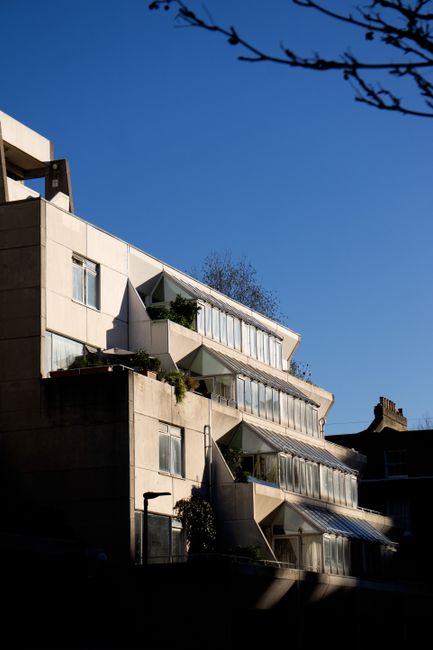
If you live near Adelaide Road and you are trying to keep a terrace garden looking calm, tidy, and actually usable, you will know the feeling: one week it looks fine, then suddenly the hedge has jumped, the lawn is patchy, and the whole space feels a bit cramped. Adelaide Road terrace gardeners for Swiss Cottage homes are the kind of local specialists who understand those narrow side returns, overlooked courtyards, front steps, and small rear plots that make North London garden care a little different. Not harder, exactly. Just more precise.
This guide walks through what terrace gardening support usually involves, why it matters in Swiss Cottage, how the work is typically done, and what to expect if you are comparing options. You will also find practical tips, a straightforward checklist, and a few mistakes that are easy to make when space is tight and time is even tighter. Let's face it, a terrace garden can look beautiful with the right approach - but it can also become a tangle in no time if the routine slips.
Why Adelaide Road terrace gardeners for Swiss Cottage homes matters
Terrace gardens around Swiss Cottage are rarely blank canvases. They are usually shaped by railings, shared boundaries, basement light levels, mature trees, awkward access, and the daily reality of London living. That is exactly why Adelaide Road terrace gardeners for Swiss Cottage homes matter: they are not just cutting things back, they are helping a space work better.
In a terrace setting, small decisions make a big difference. A hedge trimmed a little too hard can leave a front garden exposed for months. A lawn cut too low in a shady plot can weaken the grass just when you want it to recover. A climber left to wander can make a neat facade feel messy in a matter of weeks. A good gardener notices these patterns early and adjusts before the problem spreads.
There is also a lifestyle angle. Many Swiss Cottage homeowners want the garden to feel like an extension of the home rather than a separate chore. That often means choosing maintenance that respects the property style: neat structure, healthy planting, simple seasonal changes, and tidy edges that suit a period terrace as much as a modern extension. A well-kept terrace can change how the whole house feels when you step out in the morning.
To be fair, not every garden needs a dramatic makeover. Some just need consistency. Regular pruning, lawn care, clearance, and light shaping often do more for curb appeal than a big one-off overhaul. That is where local knowledge matters. The best results usually come from steady, thoughtful work rather than heroic effort once a year.
How Adelaide Road terrace gardeners for Swiss Cottage homes works
Most terrace garden care begins with a simple walk-through. A gardener looks at access, sunlight, plant condition, soil behaviour, drainage, and what the homeowner wants the garden to do. Does it need to be family-friendly? Low maintenance? Better for entertaining? More private from neighbouring windows? These questions shape the plan.
After that, the work usually falls into a few repeating tasks. Some are seasonal, some are routine, and some are reactive. In practice, the service may include garden maintenance, hedge trimming, lawn mowing, planting refreshes, border tidying, ivy control, leaf clearance, and occasional soft landscaping. For homes with more tired outdoor areas, garden clearance can be the first sensible step before anything else.
A terrace garden in Swiss Cottage often benefits from a layered approach:
- Reset - remove dead growth, clear debris, and restore visible structure.
- Stabilise - cut back overgrowth, improve edges, and sort basic plant health.
- Maintain - keep a routine so the space does not slide back into disorder.
- Refine - add planting, containers, or hard landscaping details that suit the terrace.
That sequence sounds simple, and it is, but the order matters. You would be surprised how often people jump straight to decorative planting when the real issue is shade, drainage, or a hedge that is stealing all the light. The practical fix comes first.
Depending on the property, the work may also connect with other services such as landscape gardening, landscaping, or even simple structural improvements like decking services where a terrace needs a cleaner, more usable surface. Not every garden needs all of that, obviously. But it helps to know the options exist if the space is doing less than it should.
Key benefits and practical advantages
The obvious benefit is a better-looking garden. But there is more to it than presentation. Good terrace gardening in Swiss Cottage can make a home feel more peaceful, easier to manage, and more enjoyable through the seasons.
- Better use of limited space - compact gardens need clear edges, smart planting, and a layout that does not waste square footage.
- Healthier plants - regular care reduces stress on shrubs, climbers, lawns, and pots.
- Improved privacy - careful trimming and structure can soften sightlines without making the garden feel boxed in.
- Less weekend catch-up work - a maintained terrace is easier to enjoy than a neglected one.
- Better property impression - front and rear gardens both affect how a home feels to owners, guests, and visitors.
There is also a psychological side, and people sometimes overlook it. When a small outdoor space is tidy, it tends to feel bigger. When the edges are blurred by weeds or overgrowth, the whole area seems to shrink. A neat path, a clipped hedge, and a few healthy containers can change that feeling almost overnight.
Another real advantage is predictability. With regular care, you are not constantly reacting to garden problems. You can plan around weather, holidays, and the normal rhythm of the year instead of scrambling in late spring because the whole border has taken off at once. That kind of calm is worth something.
Who this is for and when it makes sense
This kind of service suits a broad range of homeowners and property managers, but it is especially useful if your terrace garden is one of those spaces that looks manageable from the kitchen window and then turns out to be much more stubborn once you step outside.
You may want Adelaide Road terrace gardeners for Swiss Cottage homes if you:
- own a period terrace with narrow beds or a small rear garden
- rent out a property and need the outdoor space kept presentable
- have a shaded garden that needs careful plant selection and pruning
- want regular maintenance rather than a full redesign
- are preparing to sell and need the garden to look cared for
- have let the garden drift and need it brought back under control
It also makes sense if you are not especially interested in gardening as a hobby. Some people love pruning and edging and soil improvement. Others would rather have the garden look good without becoming their Saturday. Perfectly fair. A local gardener can keep the space coherent while you get on with, well, everything else.
There are times when a one-off visit is enough, and times when a recurring schedule is smarter. If you are dealing with a mature terrace garden, recurring care is usually the better decision because growth in London can be surprisingly vigorous when the weather turns. One missed month can undo a neat finish. You know how it goes.
Step-by-step guidance
If you are trying to understand how to approach terrace garden care properly, the best method is to break it down into practical stages.
- Assess the garden honestly. Look at what is actually there: shade, sun, drainage, access, soil quality, plant health, and boundary issues.
- Decide what matters most. Is the priority privacy, lower upkeep, better kerb appeal, or a space for sitting out?
- Clear the worst congestion first. Remove dead material, stray growth, broken pots, and anything choking the space.
- Restore the structure. Trim hedges, define edges, and cut back plants that have outgrown their place.
- Improve the planting balance. Replace weak or unsuitable plants with options that suit shade, containers, or narrow beds.
- Set a maintenance rhythm. Agree how often the space should be checked and what seasonal tasks should happen.
A useful trick is to think in layers. The hard surfaces, the framework plants, the seasonal colour, and the small details each contribute something. If one layer is off, the whole garden can feel unfinished. A terrace with good bones but scruffy edges is still a garden that feels unresolved.
For lawns, the routine is especially important. A small lawn in a shaded terrace can be easy to overwork. Mowing too short, especially in dry or cool conditions, often leaves it thin and patchy. Better to mow thoughtfully and keep an eye on the grass rather than treating it like a sports pitch. Most small urban lawns are not built for heroics.
Expert tips for better results
Here are some of the practical habits that make a real difference in Swiss Cottage terrace gardens. Nothing flashy. Just the sort of advice that saves time and prevents avoidable mess.
- Work with the light you have. In terrace gardens, shade changes through the day. Observe where morning sun lands and where it disappears by mid-afternoon.
- Choose plants for the space, not for the catalogue photo. A plant that looks spectacular in a big border may sulk in a narrow London terrace.
- Keep access in mind. If tools and bins have to squeeze through a side return, maintenance will be harder unless the layout respects that.
- Use containers strategically. Pots can add height and softness without committing to permanent structural changes. They are also easier to refresh seasonally.
- Trim a little and often. This is the quiet secret. Small regular cuts usually create a more polished result than occasional heavy pruning.
If you want more privacy without making the garden feel boxed in, layered planting usually works better than a solid wall of greenery. Tall pots, climbers, and carefully placed shrubs can soften views while preserving air and light. There is a useful balance there. You want shelter, not a dark little tunnel.
And a tiny human note: if you are ever unsure whether to cut something back, pause and look at it from the kitchen window. That vantage point tells the truth more often than the garden does when you are standing inside it with secateurs in hand.
Common mistakes to avoid
Terrace gardens are small enough that mistakes show quickly. The good news is that most of them are avoidable once you know what to watch for.
- Over-pruning for the sake of neatness. Hard cutting can leave bare stems, reduce flowering, and make the garden look harsher than before.
- Ignoring drainage. Small gardens can still become waterlogged, especially where paving, soil, and shade combine.
- Using too many mismatched features. Too many pots, colours, or decorative items can make a compact space feel cluttered.
- Choosing thirsty plants for dry or awkward spots. Not every attractive plant suits a terrace environment.
- Skipping routine maintenance. The longer you leave it, the more time and effort the reset will take.
One common issue in terrace gardens is trying to solve everything with planting. Plants are wonderful, but they cannot fix broken boundaries, poor access, failing soil, or a garden that needs a clearer layout. Sometimes the most useful improvement is not floral at all. A cleaner structure, a better path, or a tidier edge can do more for the whole space than adding another three shrubs.
Another mistake is treating the garden as a single annual job. In reality, small London gardens often need lighter, more frequent attention. The trick is consistency. Not glamour. Not drama. Consistency.
Tools, resources and recommendations
You do not need a shed full of specialist kit to keep a terrace garden in good condition, but the right tools and routines help. Professional gardeners typically use dependable hand tools, clean cutting equipment, and practical waste handling methods. That matters because blunt tools and messy cleanup can leave a garden looking worse than before.
Useful tools and support items often include:
- sharp secateurs for precise pruning
- long-handled shears for hedges and shape control
- a reliable mower for small lawns or strips
- gloves, kneelers, and basic protective gear
- watering cans or hose access for container planting
- compost, mulch, and soil improvers where needed
If you are comparing service providers, it helps to look beyond the headline offer. You can learn a lot by checking whether they explain their approach to insurance and safety, whether they have a clear pricing and quotes process, and whether they can explain how they handle garden waste responsibly through recycling and sustainability.
For homeowners who want a broader sense of what is available, a clear services overview can help you see how maintenance, clearance, trimming, and landscaping fit together. It is a small thing, but it makes decision-making much easier when the options are laid out plainly.
Law, compliance, standards, or best practice
For garden work in a residential terrace setting, the main issue is not bureaucracy for its own sake. It is doing the job safely, legally, and respectfully. In London, that usually means keeping an eye on noise, access, waste handling, and property boundaries. If work involves shared walls, tight access routes, or large cuttings, care matters. A lot.
Professional practice should also include sensible attention to health and safety, especially where tools, ladders, slippery surfaces, or heavy green waste are involved. A reputable provider should be able to explain how they manage those risks without making it sound dramatic. If you are comparing options, it is reasonable to ask about policies and procedures such as health and safety policy and the basics of terms and conditions.
Waste handling is another sensible check. Garden clearance often creates a fair bit of material, and it should be dealt with properly rather than dumped or left in a neighbourly mess. A good standard is simple: remove waste efficiently, keep shared areas clean, and leave the site tidy. Not rocket science, just professional courtesy.
Homeowners may also want reassurance that a contractor has suitable insurance and follows recognised best practice when working on private property. That does not need a lecture. Just a clear explanation. If you ever feel pressured or rushed around access, payment, or safety, that is a sign to slow down and ask a few more questions.
Options, methods, or comparison table
Not every terrace garden needs the same kind of support. Some spaces just need light upkeep, while others need a bigger reset or design-led improvements. The best choice depends on condition, budget, and how much time you want to spend managing the garden yourself.
| Approach | Best for | What it usually includes | Pros | Watch-outs |
|---|---|---|---|---|
| Routine maintenance | Gardens that are already in decent shape | Pruning, mowing, edging, tidying, seasonal checks | Keeps everything under control with less disruption | Needs consistency or the garden slips back |
| Clearance and reset | Overgrown or neglected terraces | Removal of debris, cutting back, waste clearance, basic restoration | Creates a usable starting point again | Can reveal hidden problems that need follow-up work |
| Landscape-led improvement | Homeowners wanting a stronger outdoor layout | Pathways, planting structure, surfaces, planting schemes | Can dramatically improve function and appearance | Usually needs more planning and budget |
| Mixed approach | Most Swiss Cottage terraces | Maintenance plus small upgrades and seasonal adjustments | Flexible and realistic for urban homes | Needs a clear plan so little jobs do not become random ones |
For many homeowners, the mixed approach is the sweet spot. You keep the garden functioning, improve it gradually, and avoid the boom-and-bust cycle of neglect followed by panic. That rhythm tends to work very well in a busy area like Swiss Cottage where people want results without living in a building site.
Case study or real-world example
Here is a realistic example of how this kind of work often unfolds. A homeowner near Adelaide Road had a small terrace garden with a low hedge, a patchy lawn, and two borders that had become crowded with self-seeded growth. From the kitchen, it looked "fine enough". Outside, it was another story. The edge lines had disappeared, the paving was cluttered with leaves, and the rear corner felt forgotten.
The first visit focused on clearance and structure. Dead material was removed, the hedge was reshaped, the lawn was lifted without scalping it, and the worst congestion in the beds was cut back. Once the layout became visible again, it was much easier to see what the space needed next: a few shade-tolerant plants, cleaner edging, and a more regular maintenance rhythm.
A couple of weeks later, the garden already felt lighter and more intentional. Not bigger, exactly - but better used. The seating area finally read as a place to sit, not just a corner with furniture in it. That is the sort of change people notice every day, especially in the morning when the light comes in and the space greets you properly.
The useful lesson? Small gardens rarely need dramatic intervention first. They usually need a calm reset and a clear eye for proportion. Once the structure returns, the rest follows more easily.
Practical checklist
Use this checklist if you are planning work on a terrace garden in Swiss Cottage. It is simple, but it catches the things people often forget.
- Check how much sun and shade the garden gets through the day.
- Look for blocked drainage, damp patches, or mossy surfaces.
- Decide whether the priority is maintenance, clearance, privacy, or redesign.
- Inspect hedges, climbers, and shrubs for overgrowth or dieback.
- Review the lawn condition before deciding on mowing or repair work.
- Think about where waste will go and how it will be removed.
- Make sure boundaries, access routes, and shared spaces are respected.
- Ask whether the plan is seasonal, one-off, or recurring.
- Confirm any safety, insurance, and payment details before work starts.
- Keep a note of any plants you want to keep, move, or replace.
If you can tick most of those boxes, you are already in a better position than many people are at the start. Honestly, that little bit of planning saves time, money, and a few headaches later on.
Get a free quote today and see how much you can save.
If you are ready to bring a terrace garden back to life, a clear conversation is the best next step. Share what you want the space to do, mention any access quirks, and ask for a practical plan rather than vague promises. That usually gives you the best sense of whether a team is the right fit.
Conclusion
Adelaide Road terrace gardeners for Swiss Cottage homes are about more than tidy borders and a quick trim. They bring order to compact outdoor spaces, help terraces feel more inviting, and make garden care realistic for busy London living. Whether your garden needs regular maintenance, a proper reset, or a more thoughtful improvement plan, the key is always the same: work with the space you have, not against it.
For many homes, the payoff is immediate. Better light, clearer structure, less clutter, and a garden that feels like part of the home again. That's the point, really. A good terrace garden should make life feel a little easier every time you step outside. And when it does, you notice it. Every morning, every evening, quietly.
Frequently Asked Questions
What do Adelaide Road terrace gardeners for Swiss Cottage homes usually do?
They typically handle tasks such as hedge trimming, lawn mowing, border tidying, seasonal pruning, garden clearance, and general maintenance for compact terrace gardens. The exact mix depends on the condition of the space and what the homeowner wants to achieve.
Is terrace garden maintenance different from regular garden care?
Yes, usually. Terrace gardens often have tighter access, more shade, smaller planting areas, and more emphasis on structure and privacy. That means the work needs to be more precise, especially in London homes where space is limited.
How often should a small Swiss Cottage garden be maintained?
It depends on planting and use, but many terrace gardens benefit from regular attention rather than occasional big jobs. A light, consistent schedule often works better than letting everything build up and then trying to fix it all at once.
What if my garden is overgrown and embarrassing?
That is more common than people admit. A good first step is a clearance or reset visit so the space can be brought back under control. Once the worst growth is removed, it becomes much easier to decide what to keep and what to improve.
Can terrace gardeners help make a small garden feel bigger?
Yes. Clear edges, better structure, careful pruning, and the right planting choices can make a compact garden feel more open and usable. Even simple changes like improving sightlines can have a noticeable effect.
Do I need landscaping, or just maintenance?
If the garden is already functional, maintenance may be enough. If the layout feels awkward, the surfaces are tired, or the planting no longer suits the space, then some landscaping or soft redesign may be worth considering.
What should I ask before hiring a gardener?
Ask what is included, how waste is handled, whether they carry appropriate insurance, how they price jobs, and whether they have experience with terraces or small urban gardens. Clear answers usually tell you a lot.
Can I combine clearance, trimming, and maintenance in one visit?
Often, yes. In fact, that is a sensible way to work if the garden needs several things done. A combined approach can save time and make the result feel much more complete.
Are there compliance or safety issues I should think about?
Yes, mainly around safe working practices, access, tools, and waste removal. It is sensible to choose a provider who can explain their health and safety approach and how they manage work responsibly on private property.
What makes a terrace garden harder to maintain than a larger one?
Small spaces can be less forgiving. When one hedge grows too far or one border gets messy, the whole garden can look untidy very quickly. Access can also be tighter, which makes regular care even more important.
Will a gardener help with privacy in a terrace garden?
Yes, within reason. Careful pruning, strategic planting, and container placement can improve privacy without blocking too much light. The trick is balancing shelter with openness so the garden still feels pleasant to use.
What is the best time of year to start improving a terrace garden?
There is no single perfect time, because different tasks suit different seasons. That said, many homeowners start with a clear-up in spring or early autumn, then build a maintenance routine from there. The main thing is not to wait until the garden feels unmanageable.