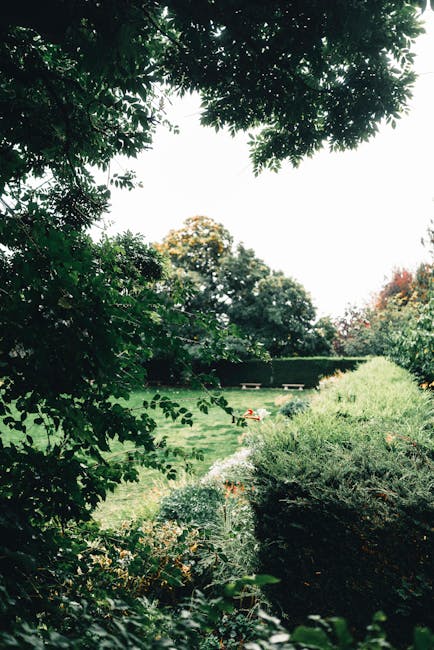
Regents Park border garden care options in Swiss Cottage
If you're trying to keep a border garden looking neat, seasonal, and genuinely healthy in Swiss Cottage, the choices can feel a bit more complicated than they first appear. A tidy edge, the right planting mix, decent soil care, and regular maintenance all matter. And with Regents Park border garden care options in Swiss Cottage, the aim is usually the same: a border that looks refined without turning into a weekend headache.
That might mean a simple maintenance plan, a full border refresh, or a more design-led approach that suits a front garden, rear border, or communal space. It could also mean solving a very ordinary problem: the border looked lovely in spring, then by late summer it became crowded, patchy, or a bit of a mess. Happens all the time. This guide breaks down the practical options, what to expect, and how to choose the right level of care for your garden.
Key takeaway: the best border care is not just about cutting plants back. It's about structure, timing, soil health, plant choice, and a maintenance rhythm that fits the way the garden is actually used.
- Understand the main border garden care options available in Swiss Cottage
- Compare routine upkeep, seasonal tidy-ups, and full border improvements
- Learn what works best for shaded, compact, and high-visibility London gardens
- See how to avoid common mistakes that lead to weak planting or messy edges
- Find a sensible next step, whether you manage one border or several
Table of Contents
- Why Regents Park border garden care options in Swiss Cottage Matters
- How Regents Park border garden care options in Swiss Cottage Works
- Key Benefits and Practical Advantages
- Who This Is For and When It Makes Sense
- Step-by-Step Guidance
- Expert Tips for Better Results
- Common Mistakes to Avoid
- Tools, Resources and Recommendations
- Law, Compliance, Standards, or Best Practice
- Options, Methods, or Comparison Table
- Case Study or Real-World Example
- Practical Checklist
- Conclusion
- Frequently Asked Questions
Why Regents Park border garden care options in Swiss Cottage Matters
Border gardens do a lot of heavy lifting. They frame a property, soften hard landscaping, guide the eye, and create that first impression you notice before you even step inside. In Swiss Cottage, where gardens are often compact, partly shaded, and exposed to a mix of urban conditions, the margin for neglect is smaller than people expect.
A border that is left alone for too long can quickly become overcrowded, woody, and uneven. Plants compete for light and moisture, weeds settle in, and the border starts to lose its shape. On the other hand, over-tidying can be just as damaging. Cut too hard at the wrong time and you can sacrifice flowers, nesting habitat, or the natural structure that makes the garden interesting in winter.
That's why border care is best thought of as a set of choices, not one fixed service. You might only need light deadheading and edging. Or you may need a more considered reset, especially if the border has been neglected after a busy season, or if the planting has outgrown the space. If the garden is part of a wider property, the border also needs to sit neatly alongside regular garden maintenance, lawn care, and sometimes even hedge or tree work.
There's another reason it matters: in London gardens, small changes show quickly. A sloping bed, a lifted edge, or a patch of bare soil is far more visible when everything is close together. A well-kept border, by contrast, makes the whole place feel calmer. That's not marketing fluff; you can see it the moment you walk through the gate.
How Regents Park border garden care options in Swiss Cottage Works
Border care usually starts with a simple assessment. What is the border doing now, what should it be doing, and what's getting in the way? A good garden professional will look at plant health, soil condition, drainage, weed pressure, seasonal timing, and how much sunlight the area receives during the day. In a place like Swiss Cottage, even a small shift in light from nearby buildings can change what will thrive.
From there, the work usually falls into one or more of these categories:
- Routine border maintenance - weeding, deadheading, light pruning, edging, and general tidying.
- Seasonal border care - cutbacks, dividing plants, mulching, replacing tired displays, and resetting the border for the next season.
- Border renovation - more intensive work to improve structure, replace poor-performing plants, enrich soil, and rebuild a stronger planting scheme.
- Full garden redesign support - where the border is one part of a broader change, often tied to landscape gardening or wider landscaping.
In practice, the process is often incremental. A border might be restored over two or three visits rather than all at once, especially if plants need space to settle. That's usually the smarter route, to be fair. Gardens hate being rushed.
It also helps to distinguish between aesthetic care and biological care. The first makes the border look neat. The second keeps it resilient. A really good service will do both: trim the visible edges, but also improve the soil and spacing underneath.
Key Benefits and Practical Advantages
Good border care delivers more than a prettier view from the window. It changes how the garden performs and how easy it is to live with.
1. Better plant health
When borders are not overcrowded, plants compete less and breathe better. You get healthier growth, less disease pressure, and a better chance of long-lasting colour.
2. Cleaner structure
Borders are often the visual anchor of a garden. Sharp edges, balanced height, and well-placed planting make the whole space feel intentional rather than left to chance.
3. Less weed pressure
Regular care means weeds are removed before they set seed. Over time, that reduces the amount of rescue work needed later on. Simple, but effective.
4. Smarter seasonal performance
A border can be designed to look good in different ways through the year: fresh in spring, full in summer, textural in autumn, and tidy in winter. That sort of sequencing takes planning, not luck.
5. Better use of limited space
Swiss Cottage gardens are often not huge. Border care helps make a smaller garden feel richer without becoming cluttered. Every plant earns its place.
6. Lower long-term repair work
A border that is maintained properly will usually need less drastic work later. That means fewer emergency tidy-ups, fewer replacements, and less spending on avoidable fixes.
There's also a softer benefit that people notice but don't always name: the garden feels easier to use. It's more inviting. You step outside, take a breath, and think, yes, this is working.
Who This Is For and When It Makes Sense
Border care is for any property where the planting edge matters visually or practically. That includes front gardens, back gardens, courtyard spaces, communal areas, and small urban gardens that need a strong sense of order.
It tends to make the most sense if you fit one of these situations:
- You want the border to look neat without changing the whole garden.
- The plants are healthy enough, but the border has lost its shape.
- You've inherited a garden and do not quite know what should stay or go.
- The border gets overgrown by midsummer and needs a smarter routine.
- You need support after a move, renovation, or prolonged absence.
- The garden is being prepared for sale, rental, or regular entertaining.
It's also a good fit if you already take care of lawns, paving, or decking and want the border to match that standard. A neat border next to well-kept hard landscaping really lifts the whole space. If you are balancing several garden jobs, services such as lawn mowing, decking services, and garden clearance can sit alongside border work as part of one practical plan.
Sometimes the trigger is just seasonal fatigue. You look out in late August and realise the border is doing that slightly chaotic thing where one plant is dominating, another has flopped, and the rest look tired. That's usually the moment to act, before autumn sets in and everything becomes a bit sticky and stubborn.
Step-by-Step Guidance
If you want a sensible, low-stress way to approach border care, this is the process that usually works best.
- Walk the border slowly. Look at height, spread, colour balance, gaps, shading, and problem areas. Do not start cutting straight away. Half the job is noticing what is actually there.
- Identify what needs saving. Some plants look messy but are perfectly healthy. Others need to go. Knowing the difference matters more than people think.
- Remove weeds and debris first. This gives you a clear picture and prevents the border from being "tidied" over hidden issues.
- Check the soil. Is it dry and compacted, heavy and wet, or just depleted? A simple mulch or compost top-up can make a surprising difference.
- Prune with the plant in mind. Cut back only in a way that suits the species and the season. A border isn't a haircut, despite the temptation.
- Rebalance the layout. Move or replace plants if one section feels top-heavy or sparse. Good spacing helps a border look calmer and healthier.
- Edge and define the line. A crisp border edge is one of the quickest ways to improve the overall appearance of a garden.
- Mulch or top-dress where appropriate. This supports moisture retention and helps suppress weeds.
- Set a maintenance rhythm. Decide whether the border needs monthly, seasonal, or occasional visits. That choice matters more than a one-off tidy.
If you are unsure where to begin, start with the least risky work: weeding, edging, and removing dead material. Then look at the structure. That order avoids the classic mistake of cutting too much before you have seen the shape of the border properly.
Expert Tips for Better Results
In our experience, the best border gardens in Swiss Cottage are not necessarily the most expensive. They are the ones that are thought through, then maintained consistently. A few details make a big difference.
- Work with the light. Borders against walls, fences, or neighbouring buildings may dry differently on one side. Don't assume the whole bed behaves the same way.
- Keep a backbone of structure. Evergreen shrubs, ornamental grasses, or reliable perennials give the border shape even when flowers fade.
- Use repetition carefully. Repeating a few plants can make a small border feel elegant instead of cluttered.
- Think in layers. Taller plants at the back, medium-height in the middle, smaller edging plants at the front. Basic, yes, but still one of the most common things people get wrong.
- Mulch at the right time. Doing it after weeds are removed and before growth surges can save a lot of hassle.
- Do not ignore the edge. The line between lawn and border is often what makes a garden look finished.
One small human truth: a border that looks "nearly there" usually just needs one more tidy pass and a bit of patience. It's rarely magic. It's usually consistency. And maybe a pair of gloves that are not slightly damp from last time, which is a luxury in British gardening, let's face it.
For larger or more tangled spaces, support from broader services such as hedge trimming or tree lopping and removal can also improve the light and space available to border plants.
Common Mistakes to Avoid
Most border problems come from a handful of recurring mistakes. They are common because they are easy to make.
- Cutting everything back too hard. Some plants recover. Some sulk. Some simply do not come back as hoped.
- Ignoring soil condition. A tidy top layer can hide compacted or tired soil underneath, which is why the border keeps underperforming.
- Planting without enough spacing. The garden may look full for a few weeks, then turn cramped and awkward.
- Letting one plant dominate. A vigorous plant can quickly overpower the rest if it is not checked.
- Choosing plants only for appearance. A plant must suit the light, soil, and maintenance level too. Pretty is not enough.
- Skipping seasonal care. If border work is only done once a year, the garden often catches up with you. Usually all at once.
Another mistake is assuming all borders need the same treatment. A sunny south-facing strip and a shaded courtyard border are different worlds. What thrives in one may struggle in the other, even if the flowers on the label look cheerful enough.
Tools, Resources and Recommendations
You do not need a shed full of specialist kit to care for a border well, but the right tools do make the job safer and cleaner.
- Hand trowel and hand fork for lifting weeds and working in tight spots
- Bypass secateurs for clean pruning cuts on smaller stems
- Long-handled edging tool for sharpening the lawn-to-border line
- Mulch fork or spade for spreading compost or bark evenly
- Gloves and sturdy footwear for protection and grip on damp ground
- Watering can or hose with control for establishing new plants or refreshing dry soil
If you are planning a larger refresh, it may be worth looking at services that can support the border in a wider sense. Landscape gardening can help reshape the planting area, while structured services overview pages are useful when you want to see what fits together before making decisions.
For longer-term value, think in seasons rather than just single visits. A spring check, summer tidy, autumn cutback, and winter planning session can be enough for many garden borders. That rhythm keeps the work manageable and avoids the classic "we'll deal with it later" pile-up.
Law, Compliance, Standards, or Best Practice
Border garden care is not usually a heavily regulated activity, but there are still sensible standards and duties to keep in mind. If the work involves ladders, powered tools, heavy lifting, access routes, or removal of woody material, safe working practice matters. Professionals should use suitable equipment, assess hazards, and work in a way that protects people, property, and neighbouring areas.
In a London setting, it is also sensible to think about waste handling, noise, access, and neighbour consideration. Cuttings, soil, and green waste should be managed responsibly, and any larger clearance should be planned so it does not create avoidable mess or obstruction. If the work generates a lot of waste material, a service with a clear approach to recycling and sustainability is a strong sign that the job is being handled properly.
Good practice also includes transparency about scope, pricing, and expectations. If a border needs only light maintenance, that should be said. If it needs more substantial intervention, that should be explained before work begins. Straightforward communication saves everyone time. It also avoids that awkward moment when a "quick tidy" turns into a bigger restoration than anyone planned for.
For peace of mind, it is reasonable to ask about practical matters such as insurance, public liability cover where relevant, and how the team handles site safety. Pages such as insurance and safety, health and safety policy, and payment and security can help set expectations clearly before any work starts.
Options, Methods, or Comparison Table
Not every border needs the same level of care. Here's a simple comparison to help you decide what fits best.
| Option | Best for | What it includes | Typical outcome |
|---|---|---|---|
| Routine border maintenance | Gardens that are already in decent condition | Weeding, edging, deadheading, light pruning | Tidy, stable, easy to keep on top of |
| Seasonal border reset | Borders that need a refresh after spring, summer, or autumn | Cutbacks, mulching, shaping, selective replacement | Cleaner structure and better next-season performance |
| Border renovation | Overgrown, tired, or poorly planted beds | Replanting, soil improvement, structural changes | Stronger long-term planting scheme |
| Full garden improvement | Gardens needing broader change | Border care alongside landscaping and hardscape adjustments | More cohesive garden design overall |
If your border is only slightly untidy, start with routine care. If the bed keeps failing even after regular attention, move up a level. That is usually the point where a more joined-up approach makes sense, possibly alongside garden maintenance or garden clearance.
Case Study or Real-World Example
Picture a modest Swiss Cottage front garden with a narrow border along a brick wall. The plants are not in terrible condition, but they have become uneven. One shrub has pushed out too far, the soil is bare in one patch, and a few weeds keep appearing where the watering habit changed over summer.
A sensible response would not be to rip everything out. First, the border is cleared of dead material and weeds. Then the overextended plant is pruned back carefully, the soil is loosened and topped up, and a mulch is applied to hold moisture and reduce weed growth. The bare patch might be filled with a plant that suits the shade and does not overwhelm the space.
After that, the border is edged cleanly so the lawn line is crisp again. The difference is not dramatic in a flashy way. It is quieter than that. The whole entrance feels considered, calmer, and more welcoming. Someone walking up the path notices it immediately, even if they cannot say exactly why.
That is the point of good border care. It does not scream for attention. It simply makes the garden work better.
Practical Checklist
Use this checklist before arranging work or starting a border tidy-up yourself.
- Inspect the border in daylight and note problem areas
- Decide whether the goal is maintenance, reset, or renovation
- Identify plants that should be kept, pruned, moved, or removed
- Check light levels, soil moisture, and drainage
- Remove weeds, fallen leaves, and dead stems
- Edge the border so the shape is clear
- Add mulch or compost if the soil needs support
- Consider whether larger garden work is also needed
- Ask for a clear scope, timing, and pricing approach
- Plan the next seasonal visit before the garden drifts again
If you want to compare broader garden support options while you plan, the pricing and quotes page can be a useful next stop. It helps turn a vague idea into something a bit more manageable, which is always nice when the border is looking mildly rebellious.
Get a free quote today and see how much you can save.
Conclusion
Choosing the right Regents Park border garden care options in Swiss Cottage is really about matching the work to the garden's actual condition, not forcing a one-size-fits-all approach. Some borders only need steady upkeep. Others need a seasonal reset or a more thoughtful redesign. The good news is that each option can work well if it suits the space, the light, and the amount of time you want to spend on maintenance.
The best results usually come from a calm, practical sequence: assess, clear, shape, improve the soil, then keep things going with a sensible rhythm. It sounds simple because, most of the time, it is. The trick is doing the right small things consistently rather than waiting for the border to become a problem.
If your garden is starting to feel a bit tired, that is not a failure. It is just the moment where good care pays off. And honestly, a well-kept border has a quiet kind of satisfaction to it. You notice it in the morning light, in the clean edges, in the way the whole garden seems to breathe a little easier.
Frequently Asked Questions
What are the main Regents Park border garden care options in Swiss Cottage?
The main options are routine maintenance, seasonal border resets, border renovation, and full garden improvement. The right choice depends on whether the border is healthy, overgrown, underperforming, or part of a wider landscaping project.
How often should border gardens be maintained?
Many borders benefit from attention every few weeks during active growing periods, with deeper seasonal work in spring and autumn. More mature or low-maintenance borders may need less frequent visits, but they still need checking.
Can a neglected border be restored without replanting everything?
Often, yes. If the plants are still healthy, selective pruning, weeding, soil improvement, and better spacing can bring the border back into shape. Replanting is only needed where plants are failing or the layout no longer works.
What is the difference between border maintenance and border renovation?
Maintenance keeps an existing border tidy and healthy. Renovation goes further and may include changing the planting scheme, improving soil structure, and reshaping the whole bed. Renovation suits tired or badly designed borders.
Is border care suitable for small gardens in Swiss Cottage?
Absolutely. In smaller gardens, borders often do even more visual work because every part of the space is visible. Careful planting and regular upkeep can make a small garden feel larger, calmer, and more polished.
What should I look for in a good border care service?
Look for clear communication, sensible pruning decisions, an understanding of seasonal timing, and a practical approach to soil and plant health. It also helps if the provider is transparent about safety, insurance, and how waste is handled.
Can border care improve shady gardens?
Yes, and in some cases it matters even more. Shady borders need the right plants, careful spacing, and good soil management. Without that, they can become dull or patchy very quickly. With the right care, though, they can be some of the nicest parts of the garden.
What are the signs that a border needs more than a tidy-up?
If plants are crowding each other, soil is tired, weeds keep returning, or the border no longer has a clear structure, it may need renovation rather than routine maintenance. A simple tidy helps for a while, but the underlying problem will remain.
How do border care and lawn care work together?
They support each other. A crisp edge between the lawn and the border makes the garden look finished, while healthy planting keeps the whole space balanced. That is why border work often sits alongside lawn mowing in a regular maintenance plan.
Do I need clearance before border improvement work starts?
Sometimes, yes. If the border is heavily cluttered with dead growth, invasive weeds, or old plant material, a bit of garden clearance can make the real work much easier. It gives you a clean base to assess what should stay.
How can I make border care more sustainable?
Use compost or mulch where appropriate, choose plants that suit the site instead of fighting it, and avoid unnecessary replacement work. A sustainable border is usually the one that is designed around the garden's natural conditions rather than against them.
Where can I learn more about the company's broader gardening services?
The best place to start is the services overview, which gives a clearer sense of how border work fits alongside other garden services. If you want to understand the team and approach in more detail, the about us page is also useful.
What if I want help with a larger garden project later on?
That is completely normal. Many people begin with border care and then decide to improve the rest of the garden later. If that happens, it can help to look at structured planning from landscape gardening and discuss the next steps from there.
A well-kept border is never just about neatness. It gives a garden dignity, rhythm, and a bit of breathing space. And that, in a busy part of London, is worth quite a lot.